Buy Better Paper, Not Less: A 2026 Procurement Framework for US Companies
The paper-free pitch is winning the wrong argument
Corporate sustainability messaging has a new favorite word: paper-free. It appears in billing campaigns, office fit-outs, and packaging announcements. The implication is clear: paper is an old-economy material, and elimination is progress. For US procurement teams, that framing is not just imprecise. It can push companies toward substitutes that are harder to recycle, more carbon-intensive, and less circular than the fiber they replace.
The better question is not whether to remove paper. It is whether the company is buying better paper and designing for circular end-of-life.
What elimination actually substitutes
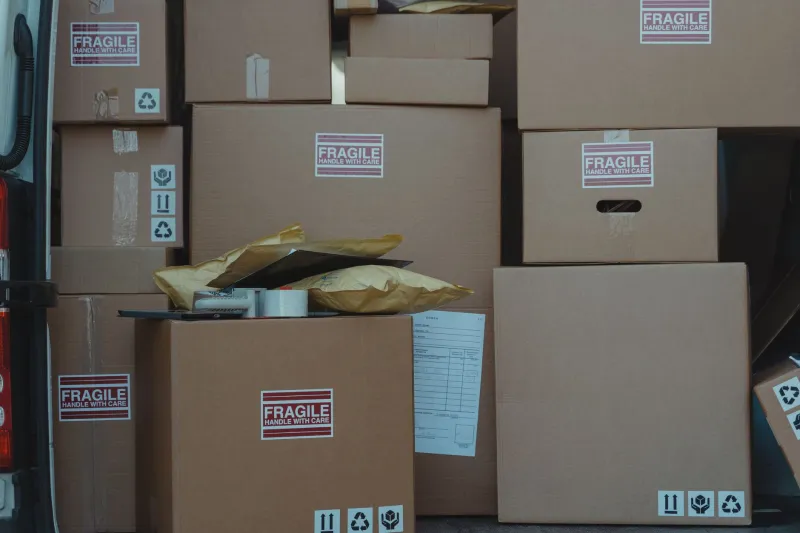
When a company announces a paper-free packaging switch, the replacement is rarely nothing. It is often a plastic mailer, a laminated pouch, bubble wrap, or foam void fill. These materials can be lightweight and cheap per unit, but their end-of-life profile in the US is weak. Many are not accepted in curbside recycling. Some contaminate paper bales when they enter the same stream. Others persist in landfills or require specialized drop-off that most customers do not use.
Paper has its own impacts. Pulp production uses energy and water, and fiber sourcing must be responsible. But paper also has a mature US recycling infrastructure, high recyclability in many formats, and a demonstrated market for recovered fiber. The comparison should be system-level, not a binary story about tree destruction versus plastic avoidance.
Three tests for a credible material decision
First, test the fiber source. A paper product without chain-of-custody certification is a weak claim. Procurement teams should ask for Forest Stewardship Council or Sustainable Forestry Initiative certification, plus third-party verification of post-consumer recycled content. Certified fiber and high recycled content address the sourcing concern directly.
Second, test the end-of-life reality. A material is not circular because a laboratory says it is technically recyclable. It is circular when customers can place it in a curbside bin and when the local materials recovery facility accepts it. For paper, that means avoiding plastic windows, wax coatings, and laminated barriers that make repulping difficult. For plastic, it means acknowledging that many flexible formats are not recycled at scale.
Third, test the system metrics. Carbon per functional unit, water use, waste generation, contamination risk, and recycled-content demand all matter. A plastic mailer may be lighter, but if it is not recycled, the comparison changes. A paper mailer may weigh more, but if it is recycled in a curbside stream and contains high recycled content, its circular profile can be stronger.
A procurement scorecard for 2026
US buyers need a framework that rewards better paper rather than paper absence. The following scorecard can be applied to packaging, office paper, and printed materials.
- Material origin: certified fiber, recycled content, and mill transparency.
- Recyclability: curbside acceptance in target markets and repulpability documentation.
- Design: mono-material construction, no plastic windows, water-based coatings, and easy separation.
- Supplier data: chain-of-custody certificates, recycled-content verification, and life-cycle information.
- Cost per functional unit: not unit price alone, but protection, pack labor, damage, and disposal.
- Policy exposure: extended producer responsibility fees, recycled-content mandates, and landfill restrictions.
- Customer behavior: whether the package is actually recycled in the markets where it is sold.
The scorecard changes the conversation. Instead of asking whether a package is paper-free, buyers ask whether it is designed for the US recycling system and whether the fiber is responsibly sourced.
The circularity case for fiber
Paper recycling in the US is not perfect, but it is established. Old corrugated containers are among the most recycled packaging materials in the country. Mixed paper streams accept many mailers and void-fill formats when they are free of plastic contamination. High recycled content creates demand for recovered fiber and keeps material in use.
That is a circularity advantage that paper-free marketing often ignores. A plastic substitute may look efficient at the package level, but it can shift the burden to landfills and contamination. Procurement teams should not trade a visible material for an invisible waste problem.
Where paper must improve
This is not an argument for unqualified paper. Paper packaging still has work to do. Barrier coatings for food and moisture resistance can complicate recycling. Overpackaging wastes fiber and increases shipping emissions. Some paper mailers include plastic bubble liners that undermine the recyclability claim. Buyers should demand mono-material designs, water-based coatings, and right-sized formats.
Suppliers should also provide better data. A certificate on a website is not enough. Procurement teams need SKU-level recycled content, mill information, and end-of-life documentation. Companies that ask for this data will push the market toward better paper rather than paper-free theater.
Buy better, not absent
The 2026 procurement cycle is a chance to retire a misleading metric. Paper-free is not a sustainability strategy. It is a marketing position that can lead to plastic-heavy substitutes and hard-to-recycle outcomes. Better paper is a strategy: certified fiber, high recycled content, recyclable design, and honest end-of-life claims.
US companies should challenge suppliers who sell elimination without evidence. Ask what replaces the paper, where it goes after use, and whether the substitute improves the system. In many cases, the smarter choice is not less paper. It is better paper, bought with sharper questions and designed for a circular future.