Fiber on the Fork: A 2026 Qualification Protocol for Paper Slip Sheets and Corrugated Pallets
Photo: Internet Archive Book Images, No restrictions, via Wikimedia Commons
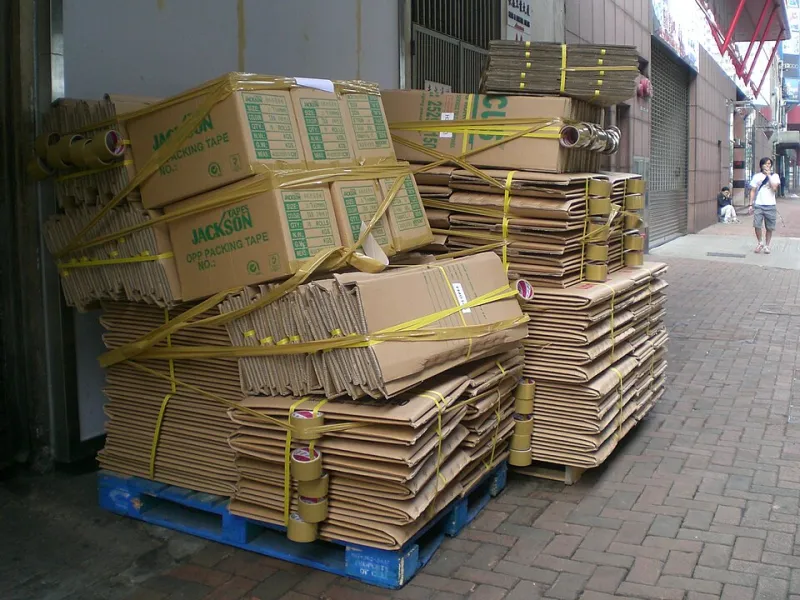
Paper slip sheets and corrugated pallets have moved from trade-show curiosity to serious line item in US packaging procurement. The pitch is straightforward: replace wood with fiber, cut weight, avoid phytosanitary concerns, and feed the corrugated recycling stream. The procurement reality is less tidy. A slip sheet is not a pallet. A corrugated pallet is not a drop-in substitute for a GMA-style wood pallet. Each changes the unit load, the handling equipment, and the failure mode.
Start With the Unit Load, Not the Pallet
Load ratings are only meaningful when tied to a defined unit load. A supplier may quote a dynamic capacity in pounds, but that number means little without the load dimensions, center of gravity, stack height, support condition, and duration. A pallet rated for floor stacking may not be rated for racking. A slip sheet rated for a uniform case load may fail under a concentrated point load from machinery parts.
Ask for test reports that state the load, support conditions, duration, temperature, and relative humidity. A compression number from a dry lab is not a procurement specification. For corrugated pallets, request dynamic and static ratings separately, plus racking data if the load will spend time on beams. For slip sheets, request pull-tab strength, tear resistance, and gripper compatibility data. The goal is not a single number; it is a test envelope that matches your actual supply chain.
Moisture and Creep Are the Hidden Variables
Paper fiber loses stiffness as moisture content rises. A corrugated pallet that performs in a Las Vegas distribution center may fail in a humid Southeast warehouse or a cold-chain dock with condensation. Condition samples at 50% and 85% relative humidity for 24 to 72 hours, then repeat compression and creep tests. For floor-stacked loads, run a 30-day creep test at design load. For racked loads, test at the actual beam span.
Slip sheets deserve the same scrutiny. A saturated sheet can tear at the pull tab or delaminate under the gripper. If the load will sit in a trailer over a weekend or move through a freezer, add a wet or frozen condition to the trial. Procurement teams should write the humidity basis into the specification and require the supplier to notify them of any substrate or adhesive change that could affect moisture performance.
The Forklift Is Part of the Specification
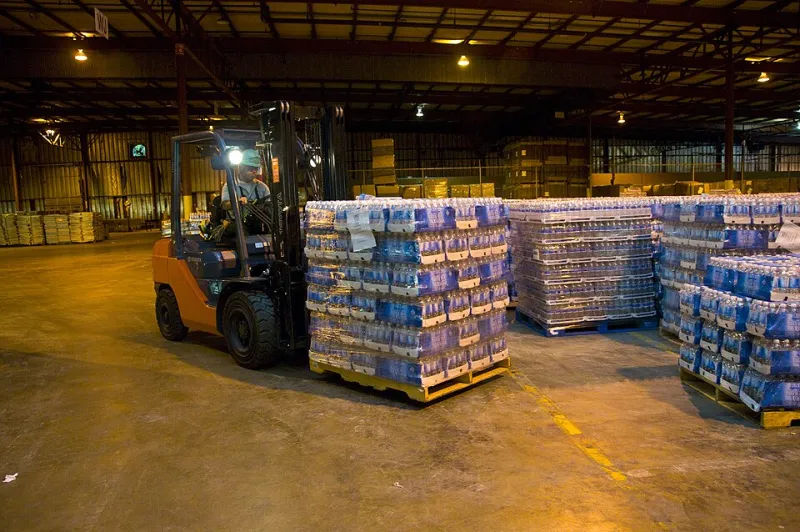
Slip sheets require push-pull attachments; standard forks cannot handle them. Confirm that every receiving location, contract warehouse, and backup carrier has the right equipment, and train operators on the pull sequence. A slip sheet that works at the supplier's dock can stall a receiving lane if the consignee lacks a push-pull unit or the operator has never used one.
Corrugated pallets need clear fork-entry dimensions, stringer orientation, and edge protection. Test with the actual fleet, including rented units and seasonal labor. A pallet that works in a vendor's demo can fail at 3 a.m. on a peak-season dock. Measure handling time per unit load, not just damage rates. If the swap adds two minutes per pallet, the labor cost may outweigh the material savings.
End-of-Life Claims Need a Receipt
Corrugated pallets usually fit the old corrugated container stream, but slip sheets may be paperboard, mixed fiber, or coated. Labels, adhesives, stretch wrap, and edge boards can contaminate the bale. Ask for repulpability data and confirm that the local MRF or mill actually accepts the format. If the supplier promises a takeback program, write the collection frequency, condition requirements, and credit terms into the contract. Recyclability is not a logo; it is a logistics system.
A Four-Stage Qualification Protocol
| Stage | Test | Evidence Required | Pass Criteria |
|---|---|---|---|
| 1. Desk audit | Supplier specifications, material composition, prior test reports, references | Complete data sheet and named substrates | Data matches the proposed unit load and handling method |
| 2. Lab | Compression, creep, moisture conditioning, tear or delamination | Third-party or supplier lab report with conditions | Meets agreed safety factor at design humidity and support condition |
| 3. Pilot lane | Four to six weeks on one lane with actual equipment | Damage log, handling time, cube utilization | Damage rate at or below wood baseline; no equipment delays |
| 4. Contract | Load rating, humidity basis, change notification, takeback, audit rights | Signed specification and acceptance terms | Terms match trial results and include remedies |
Contract Terms That Keep Fiber Honest
Specify the load rating at a stated humidity and support condition. Require written notification before substrate, adhesive, coating, or design changes. Define acceptance testing and remedies. Set a damage threshold and a replacement process. Include audit rights and a takeback clause if recyclability is part of the value proposition. Do not let a supplier's marketing sheet become the specification.
Paper pallets and slip sheets can reduce weight and keep fiber in circulation, but they are not universal replacements. They work where the unit load, moisture exposure, handling equipment, and recycling infrastructure align. Procurement's job is to qualify that alignment before the first production order, not after the first collapsed load. The winning bid is the one that survives the fork, the humidity, and the MRF.