The Reservoir Behind the Ream: Why Water Risk Belongs in Every Recycled-Paper Specification
Recycled content has become the most convenient sustainability metric in paper procurement. It is easy to buy, easy to report, and easy to defend in a board presentation. It is also the narrowest metric available. A percentage on a specification says nothing about where the fiber was processed, how much water the plant withdrew to do it, or whether that plant sits in a basin that can afford the withdrawal in a dry year. For companies with water-related commitments — and for any buyer sourcing from watersheds under stress — that gap is shifting from a reporting inconvenience to a material sourcing risk.
Recycled content measures mass; water measures place
Recycled content is a mass-balance calculation. Water is a hydrologic one, and hydrology is stubbornly local. Two mills can produce comparable recycled containerboard with identical fiber inputs and wildly different water profiles: one drawing from a regulated surface source with a closed loop and a modern treatment plant, the other pulling from a stressed aquifer with a discharge permit that has been amended three times in a decade.
The uncomfortable corollary is that a mill can improve its recycled-content figure and still raise its water intensity. Adding deinking capacity to serve a recycled-content target introduces pulping, flotation, washing, and thickening steps, each of which consumes water and generates effluent that must be treated. The fiber story and the water story are related, but they are not the same story, and procurement documents that treat them as interchangeable leave the more location-specific risk unmanaged.
What is actually inside the loop
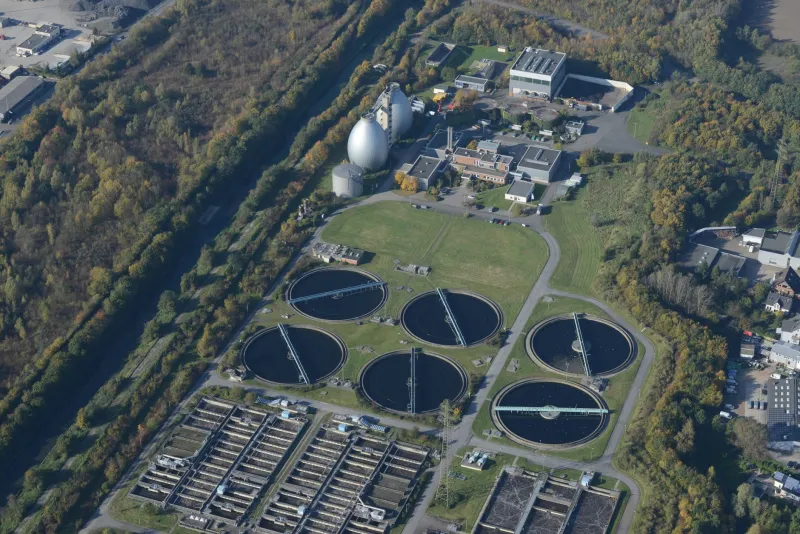
A recycled fiber mill is a water system with a paper machine attached. Pulping, screening, centrifugal cleaning, deinking by flotation or washing, and forming all depend on water as a carrier, and the plant recirculates as much of it as the chemistry allows. The variables that matter to a buyer are unglamorous: intake volume, internal recirculation rate, consumptive share that leaves the system through evaporation or product, discharge volume and quality, and the terms of the operating permit.
Three metrics are worth requesting from any supplier making a water claim:
- Withdrawal intensity — gallons per ton of saleable paper, broken out by source: surface water, groundwater, and municipal supply. Source matters, because a municipal connection shifts the risk to a different utility and a different watershed.
- Consumptive use ratio — the share of intake that does not return to the basin. A mill that withdraws heavily and returns nearly all of it is a different neighbor than one that withdraws modestly and consumes most of it.
- Internal reuse rate and discharge quality — recirculation percentage, treatment method, and the monitored parameters under the facility's discharge permit, including the record of exceedances.
Benchmarks are a trap; trends are not
Public water intensity figures for papermaking vary enormously by grade. A recycled containerboard mill, a tissue mill, and a specialty deinked pulp line are not comparable, and any benchmark that ignores grade, furnish, and climate will produce misleading conclusions. The more defensible approach is to ask a supplier for three to five years of facility-level data and read the direction of travel. A mill reducing intake year over year with stable output is telling you something. So is a mill whose numbers have not moved while its basin has.
Reading the claim without becoming a cynic
Water claims arrive in several dialects. Corporate averages, which blend a drought-exposed plant with a water-rich one into a single flattering figure. Offsets and credits, which may fund genuine catchment work but do not change what the mill did last August. And site-level certifications, such as the Alliance for Water Stewardship standard, which require a mill to engage with its catchment rather than simply account for its own pipes.
The practical filter is to ask one question of any water statement: at what geographic scale was this measured? If the answer is corporate, treat it as context rather than evidence. If the answer is a named facility in a named basin, you have something a procurement team can work with.
Screening for basin risk before the first order
Facility locations are obtainable from suppliers, and basin risk is publicly mapped — the World Resources Institute's Aqueduct tool, USGS water data, and state water plans give a reasonable first screen. Basins that deserve a closer look include the Colorado River system, the Ogallala Aquifer region, parts of the Southeast that have faced acute drought and interstate allocation disputes, and rapidly growing metro areas in Texas and the Mountain West.
The point of screening is not to disqualify suppliers. It is to calibrate the depth of diligence: a mill in a low-stress basin with a modern permit warrants a light touch, while a mill in a high-stress basin warrants facility-specific data, a conversation about the mill's improvement plan, and a note in the risk register.
Contract language that creates an incentive
Water data belongs in the agreement, not in a marketing annex. Four clauses do most of the work:
- Annual facility-level disclosure of withdrawal volume, source, consumptive use, discharge, and permit status.
- A water risk screen covering tier-one and tier-two sites, refreshed on a defined cycle.
- An improvement plan with time-bound targets for any site operating in a high-stress basin, reviewed in quarterly business reviews.
- Notification obligations for permit exceedances, enforcement actions, or material changes in water availability.
The trade-off worth naming honestly
Recycled fiber avoids the pulping and bleaching loads associated with virgin fiber, and that is a real environmental benefit. It also introduces deinking, which is water-intensive and produces sludge and effluent that must be handled. Which effect dominates is a site-specific question, and no category-level slogan answers it.
The conclusion is not to retreat from recycled content. It is to stop treating a fiber percentage as a complete environmental statement. Buyers who ask for water data alongside fiber data will find that most suppliers already have it, a few have a genuine story to tell, and the rest have been hoping nobody asked. Asking is the entire intervention.